Category Archives: Books

Books

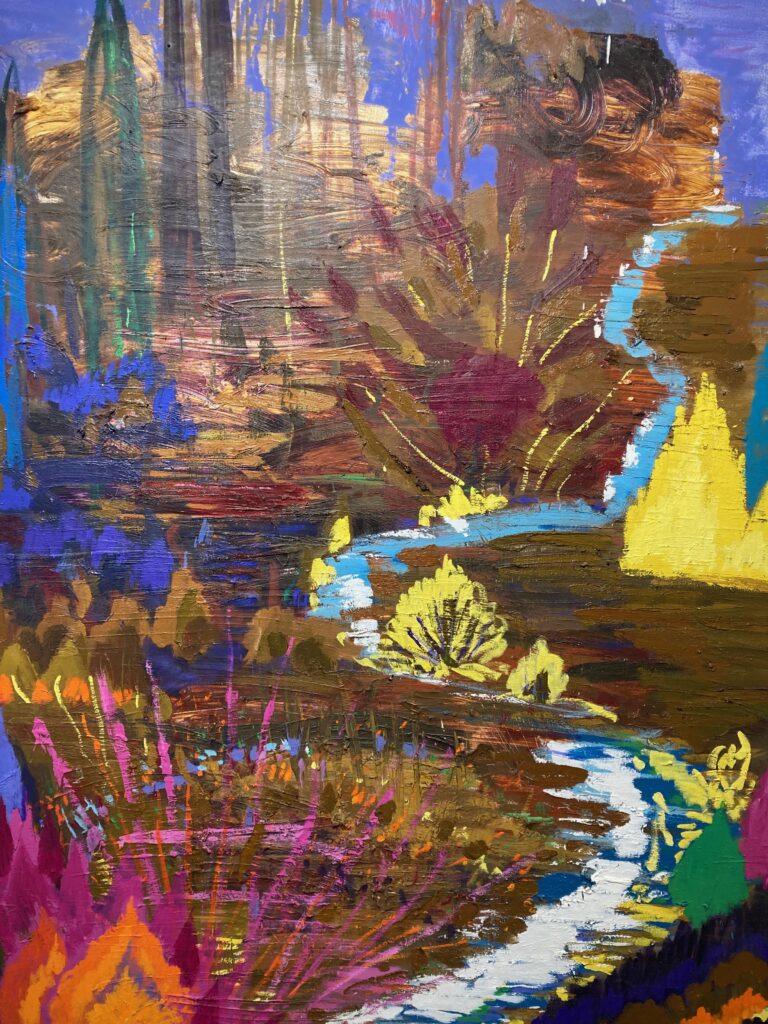
“Portrait in McVicker’s Garden”

Saturday, November 1, 2025

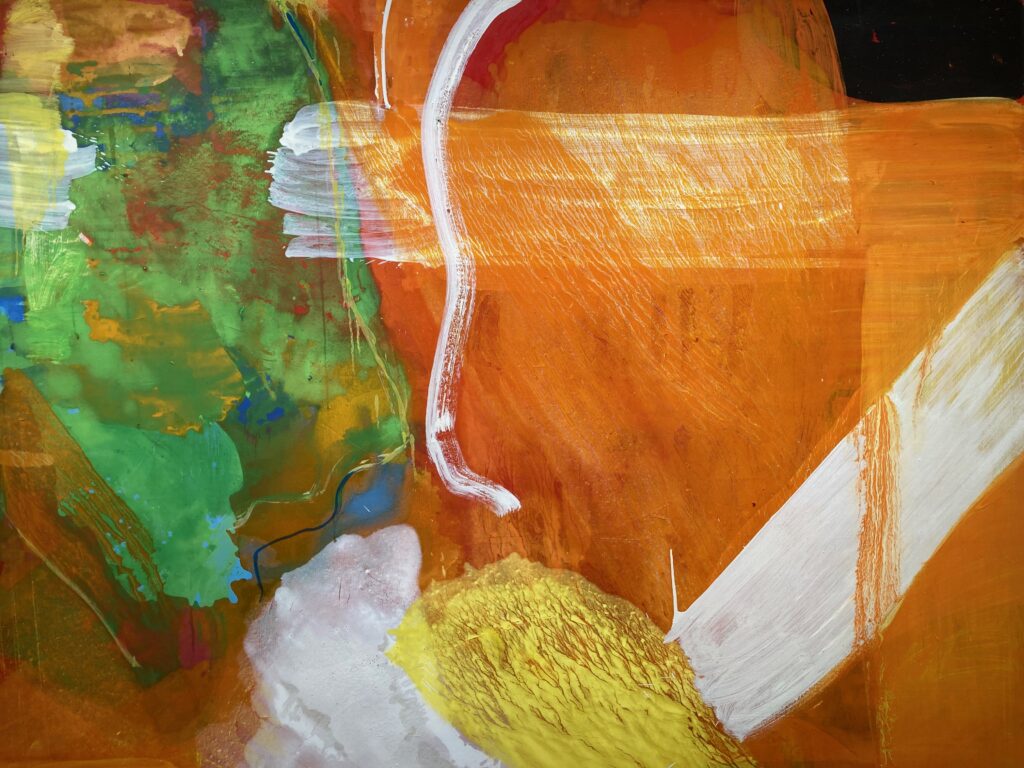
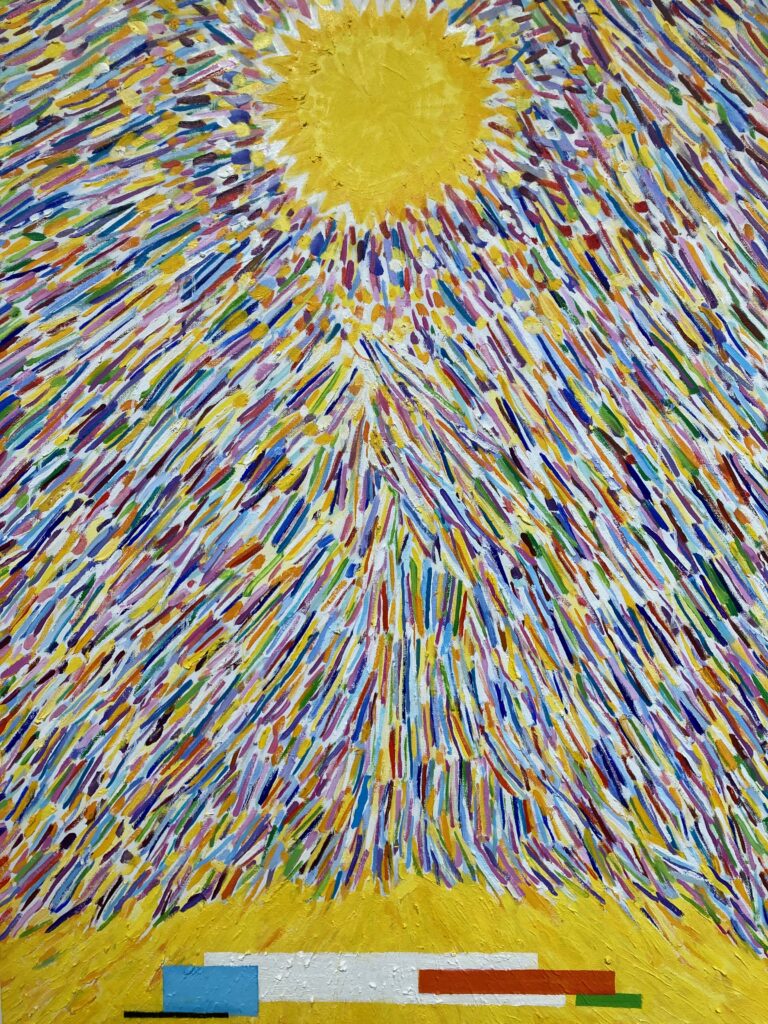
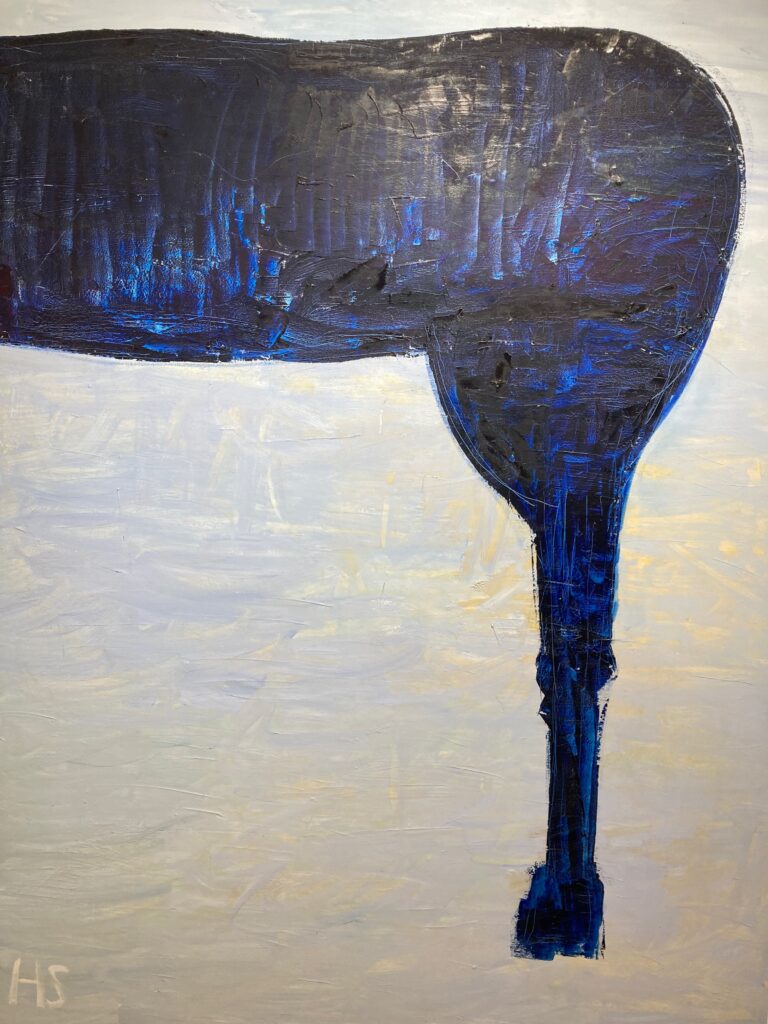
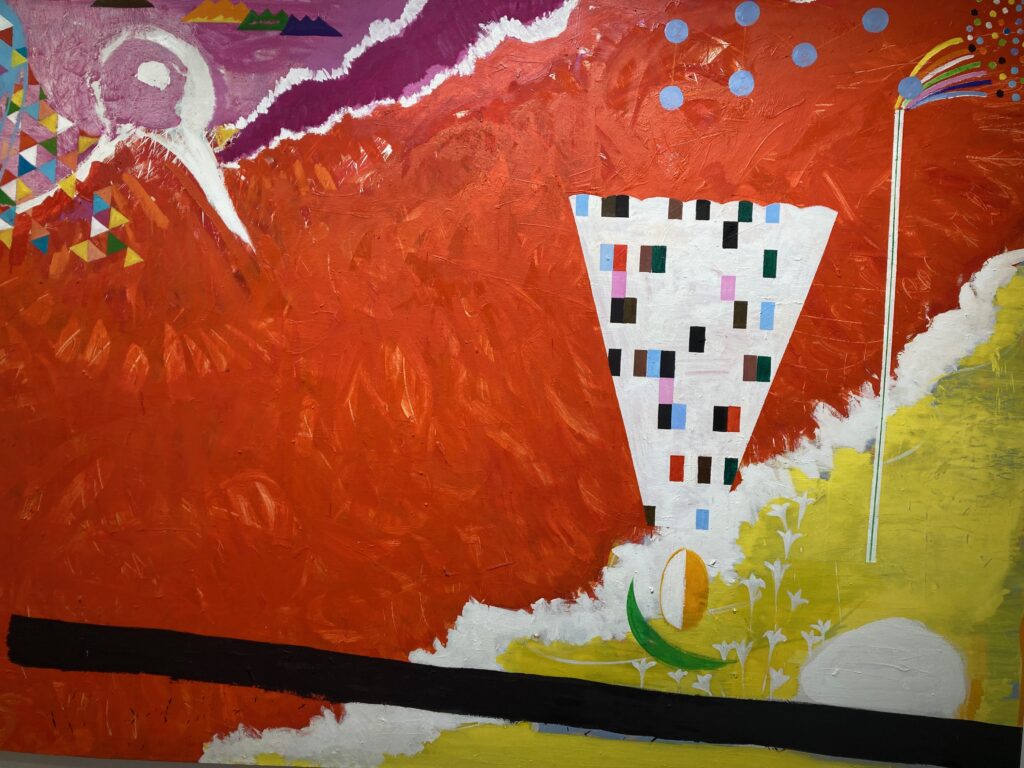
I celebrated another birthday this past month by making a trip to Northern California to visit my painter friends, Jim McVicker and Terry Oats. While we had gotten together several time when they made trips to Southern California, this was the first time in 30 years that I had seen them where they live. In 1995, I posed for a painting Jim did in which I was kneeling in his garden. On this trip, I posed for a portrait, though it was not the first time I had done so. Back in 1981, when I first met Jim, I posed for a portrait. There are references to being painted that first time in a long poem I wrote called “Your Move,” which will be published in its entirety for the first time along with two other long poems in a book entitled REMIGES in the fall of 2026. The publisher is WHAT BOOKS, a collective of writers in Los Angeles that recently published books by my collegues at CSULB, Patty Seyburn and Stephen Cooper.


(1981)

PORTRAIT IN McVICKER’S GARDEN

My face cannot be finished. Two days
I’ve stared and slouched near cusps
of dahlias, foxgloves creamed with red,
my chest and shoulders swelling
in a dark shirt, jeans trenched
between white petals as each slides
an edge under another’s wavering
fan of points — “It’s not working,”
he says, lifting the canvas off.
As I kneel on a narrow stone path,
the wetness of mud seeps through
my pants, sipping up my thighs.
A big hat darkens my chin. Yellow
peonies uncoil. A leaf isn’t smooth,
but puckers from edge to spinal thread.
Light scuffs the repetition
until color roughens: lilac squats,
orange puffs, yellow crouches
in creased gourds, thick husks
of amber, shrill asperities,
stretched greys, pink’s ziggurats,
lips parted for your garden’s kiss.

This poem can be found in my previous book of poems from WHAT BOOKS: “The Headwaters of Nirvana.”

In the next two months, I will be proofreading REMIGES and making plans for giving readings in the fall of 2026. If I have been able to sustain my efforts as a poet all these decades, it is in part because of friends such as Jim and Terry. I am grateful for their companionship and encouragement.

Books

Cole Heinowitz (1974-2025) and Susan Griffin (1943-2025)

Cole Heinowitz was a poet….

Somehow, from all the accounts of her I read this morning, I don’t think the past tense is appropriate.

Cole Heinowitz remains a poet, scholar, and performer whose life brings to mind the question that Cary Nelson posed at the end of “Repression and Recovery”: “What is the social value of a life devoted to poetry?”

One possible answer is that the social value of a poet’s life resides in its capacity to articulate the munificence of a gift exchange economy. Given the number of other poets who have testified to Heinowitz’s generosity in sharing her knowledge, I am left with the wish that she could have spent more time on the West Coast; to that extent, there is an irony to the fact that she died while on a jaunt on a river in Northern California.

On Monday, October 27th, the Poetry Project at St. Mark’s in NYC will host a memorial service for her, at 8 p.m., featuring Cat Tyc, Carla Harryman, Christopher Funkhauser, Nada Gordon, Matvei Yankelevich, Barrett Watten, Anna Moschovakis, Lucía Hinojosa Gaxiola, Iris Cushing, Abe Etkin, Marianne Shaneen, Felix Bernstein, a performance by Shiba Nemat-Nasser, Lea Bertucci, and Stephen Cope.

For those unfamiliar with her work and life, I recommend the tributes that are posted in the Brooklyn Rail.

https://brooklynrail.org/tribute/a-tribute-to-cole-heinowitz/

https://brooklynrail.org/tribute/a-tribute-to-cole-heinowitz/a-tribute-to-cole-heinowitz-champion/

https://brooklynrail.org/tribute/a-tribute-to-cole-heinowitz/imagining-cole/

https://brooklynrail.org/tribute/a-tribute-to-cole-heinowitz/a-tribute-for-cole-heinowitz-cushing/

https://brooklynrail.org/tribute/a-tribute-to-cole-heinowitz/for-cole-kaufman/

https://brooklynrail.org/tribute/a-tribute-to-cole-heinowitz/for-cole-katz/

https://brooklynrail.org/tribute/a-tribute-to-cole-heinowitz/grays-elegy/

https://brooklynrail.org/tribute/a-tribute-to-cole-heinowitz/a-tribute-to-cole-heinowitz-cope/

********

In today’s post, I would also like to note the passing of Susan Griffin, a West Coast poet whose work emerged of the small press movement in the 1970s with a publication by Alta’s Shameless Hussy Press. Griffin went on to instigate a critique that came to be known as ecofeminism. I was somewhat surprised to see that the New York Times allotted her significant space for an obituary, given that the NYT did not believe that Lyn Hejinian merited such a notice. Griffin’s generosity in giving of her life as a poet to address the environmental crisis, however, seems to have caught enough attention on the East Coast for the NYT to acknowledge her contribution to this discourse. Author or compiler of over 20 books, her writing was translated in 12 languages.

https://www.nytimes.com/2025/10/12/books/susan-griffin-dead.html

Remembering Susan Griffin, pioneering voice of ecofeminism

Books

The Distribution of Matter in the Universe

https://www.uni-muenster.de/news/view.php?cmdid=12218&lang=en
THE UNEVEN UNIVERSE
“It is almost always assumed in cosmological calculations that there is a even distribution of matter in the universe. This is because the calculations would be much too complicated if the position of every single star were to be included. In reality, the universe is not uniform: in some places there are stars and planets, in others there is just a void.”

***

https://www.esa.int/Science_Exploration/Space_Science/Planck/The_cosmic_microwave_background_and_the_distribution_of_matter_in_the_Universe

The cosmic microwave background and the distribution of matter in the Universe

How is matter distributed in the Universe?
“A glance through our cosmic neck of the woods reveals that matter in the Universe is distributed in a highly structured fashion. Large concentrations of matter, such as stars and planets, are interspersed with large areas of empty space.”

Books

FORTY YEARS AGO: “POETRY LOVES POETRY”: An Anthology of L.A. Poets, edited by Bill Mohr (1985)

“Poetry Loves Poetry” was not my first anthology of L.A. poets, but it is the one that most people are familiar with. In part, this is because the scene in L.A. when I published THE STREETS INSIDE, in 1978, was still benefitting from the plethora of bookstores that were willing to sell poetry books. By 1985, several of those stores were gone. In particular, Papa Bach and Intellectuals & Liars had closed. As one can see from the flyer I made for “PLP,” there were still a considerable number of literary bookstores in Los Angeles in the middle of the 1980s.

But not having any magazine coming out of Beyond Baroque to review it, or a magazine such as BACHY or INVISIBLE CITY to conduct a discussion of its premises and contents, PLP simply didn’t get the attention it deserved. I am grateful to Sharon Doubiago for a review she wrote in ELECTRUM magazine as well as one that appeared in POETRY FLASH by Joe Safdie.

And many thanks go out to Sheree Levin for her portfolio of L.A. poets, which appeared at the end of the volume.

Books

Artificial Intelligence Lacks Any Access to Silence (Artificial or Otherwise)

Saturday, September 20, 2025

As anyone who has worked on a creative project can attest, being able to still the mind is the first incremental necessity. Even those in an occupation such as writing advertising copy know that the most inspired moments often occur when one finally stops trying to think of something “brilliant,” but simply stops thinking about it and stares off into space; or takes a brisk walk, and then a shower. The notebook paper one keeps on a bathroom shelf might warp slightly when the damp imprint of your hand dries, but at least you’ll have those phrases that arrived “out of nowhere” recorded as close as possible to their original syntax.

And that’s the problem with “artificial intelligence,” which I have previously referred to as “airbrushed intelligence.” AI is incapable of yearning for silence — any kind of silence. Even if it were programmed to stop engaging in searches, that wouldn’t lead to a generative silence.

It has been promulgated from “on high” that AI will soon surpass the capabilities of human consciousness. Silence — artificial or otherwise — will eternally elude the collage powers of AI’s stupendous warehouse of digital knowledge, and thereby restrict its access to the most important aspect of consciousness: the imagination.

It is the lingering presence of silence that enables a poem to be remembered as an event. Versification, no matter how nimbly enchanting, is in contrast simply a display of masterful technique. No doubt AI can generate an ensemble of words that faithfully reiterate various rules of versification. Not having access to silence, however, means that — as John Lennon said — it’s “crippled inside.”

Books

Poetic Research Bureau: 25th Anniversary & Fundraiser — September 20, 2025

In the aftermath of the dissolution of Venice West in the early 1960s, Beyond Baroque’s founding by George Drury Smith proved to be an unexpected resurrection of the ideals of that maverick Beat community. Steven Belletto has commented in his book, THE BEATS: A LITERARY HISTORY about the difficulty of sorting the “messy” cartography and genealogy of Beat-associated projects. Beyond Baroque will celebrate its 60th anniversary as the Olympic Games take place in Los Angeles. I can only hope that Beyond Baroque and the poets most associated with it over the decades are not ignored as they were the last time the Olympic Games were in L.A., in 1984. Given the level of state and corporate coordination in suppressing free speech in the United States in September, 2025, perhaps we poets should consider ourselves lucky if we are still alive in 2028. Reeducation camps tend to have a high mortality rate.

In the meantime, all the more reason to celebrate this weekend the anniversary of the Poetic Research Bureau, which was founded in 2000. A marathon reading and fundraiser will take place on Saturday, September 20th, from noon to 7 p.m. at a venue called ARTS+ARCHIVES.

MARATHON POETIC RESEARCH BUREAU READING
featuring
Diane Ward, Brian Kim Stefans, Larkin Higgins, Jos Charles, Johanna Drucker, Jack Skelley, Brent Armendinger, and Giulia Bencivenga.

Saturday, September 20
12pm – 7pm
at 2220 Arts+Archives
2220 Beverly Blvd, Los Angeles, CA 90057
This is located between S. Alvarado and S. Rampart in Historical Filipinotown, which is west of DTLA and south of the 101 Freeway.

Purchase Tickets (from $15)
Tickets are tax-deductible donations
And don’t miss Friday’s film program, What Is Poetry to You? curated by Rotations
Tickets Here!

FULL LIST OF PRB MARATHON READERS: Diane Ward, Christopher Soto, Corina Copp, Jos Charles, Deborah Meadows, Syd Staiti, Rosie Stockton, Elaine Kahn, Sophia Le Fraga, Sarah Yanni, Feliz Lucia Molina, Anthony McCann, Sophie Appel, Kyle Dacuyan, Anahid Nersessian, Emji Saint Spero, Emily Simon, Mathew Timmons, Ara Shirinyan, Tom Comitta, Danny Snelson, Brian Kim Stefans, Angela Peñaredondo, Ben Segal, Brian Ang, Johanna Drucker, Gabrielle Civil, Ted Dodson, Brent Armendinger, Tilghman Goldsborough, Isabel Boutiette, Giulia Bencivenga, Jeanetta Rich, Jack Skelley, Nikki Ochoa, Ivanna Baranova, Carson Jordan, Nata Perla-Ward, Mary Clark, John Tottenham, imogen xtian smith, Zara Schuster, David Horvitz, Kim Calder, Paul Maziar, Alex Gootter, Hedi El Kholti, Jolie Mayers, Mashinka Firunts-Hakopian, Matias Viegener, Chloe Watlington, Larkin Higgins, Diana Arterian, Emily Joyce, Cleo Abramian, Amanda Ackerman, Aaron Winslow + more

The small press book fair will features Insert Press, Make Bow Books, nueoi press, Material Editions, X Artists’ Books, Semiotext(e), and HEXENTEXTE.

Tarot card readings by Angi Brzycki.
Food by Los originales Tacos Arabes De Puebla and Rosita’s Fruits
Wine donated by Silverlake Wine
T-shirts by Chariot Wish
Posters by Mark Allen

*******

2220 Arts + Archives is a volunteer-run cultural center featuring film, literature, music and performing arts in the Historic Filipinotown neighborhood of Los Angeles.
2220’s programming team is composed of longstanding arts nonprofits, archival projects & event series, including Acropolis Cinema, Black Editions, LA Filmforum, Late Breakfast, Lightstruck, Mezzanine, Mythscience, Pehrspace, Poetic Research Bureau, Rotations, and Wild Up.

Books

Arthur Sze — First Asian-American U.S. Poet Laureate

Thursday, September 18, 2025

The current President of the United States, Mr. Donald J. Trump, has decried all the initiatives of social agency that have promoted diversity as an essential ingredient to a functioning democracy. In at least one current area of cultural embellishment, the position of U.S. poet laureate continues to promote its recent emphasis on ethnic identity in choosing a writer for this position. Arthur Sze, the son of Chinese immigrants, has accepted his appointment to be the next nation’s poet laureate. According to the New York Times article that covered this announcement, “Sze’s work does not focus on identity,” which makes his choice stand apart from other recent poet laureates as Joy Harjo, Tracy K. Smith, Juan Felipe Herrera and Ada Limón.

I myself would have asked Garrett Hongo to be the next U.S. poet laureate, but in the interests of full disclosure, I have to point out that I was the first editor anywhere to publish Mr. Hongo’s poems. Four of his poems appeared in the second issue of MOMENTUM magazine, issue number two, which came out in 1974. I have admired his work for a half-century. Although he was born, in 1951, in Volcano, Hawai’i, he spent many of his youthful growing years in Los Angeles County; he was educated at Pomona College (B.A.) and the University of California, Irvine (MFA, 1980). He would have been the first poet laureate of the United States to be so closely associated with Los Angeles, had he been selected. For examples of his L.A.-based work, see Laurence Goldstein’s POETRY LOS ANGELES and Suzanne Lummis’s POETRY GOES TO THE MOVIES.

In any case, congratulations are to be offered to Arthur Sze, who certainly has received as many awards as Garrett Hongo and has had his poems translated into 15 languages. This last fact is perhaps the most important factor in saluting his appointment. I gather that Sze wants to emphasize poems that have been translated into English as a way of expanding the discourse around poetry while he is poet laureate. I have no objection to that as long as he equally reminds his audience what all too many American poets would prefer to forget. Too little poetry written in English in the United States deserves to be translated into another language. American poets all too often like to sit back and celebrate their appropriation of poems in other languages as a form of cultural condescension. Their assumption is that their poems are every bit the equal of what has been translated into English.

Guess again.

*** *** ***

“(Arthur Sze’s) poetry is distinctly American in its focus on the landscapes of the Southwest, where he has lived for many years, as well as in its great formal innovation. Like Emily Dickinson and Walt Whitman, Sze forges something new from a range of traditions and influences — and the result is a poetry that moves freely throughout time and space.”
—Acting Librarian of Congress, Robert Randolph Newlen

* * *

Post-script: It has been a bit of a puzzle to me the past several days. On a daily basis, I almost never get more than one visit to my blog from China, but for some inexplicable reason I have been getting a couple dozen a day recently. Maybe one of my readers in China would be kind enough to write and explain the sudden interest. I have never had more visitors from a country other than the United States before this most recent report. This has all happened before I wrote today’s post.

TOTAL NUMBER OF VISITS FROM INDIVIDUAL COUNTRIES IN THE PAST SEVEN DAYS:

China — 123
United States — 80
France — 4
Canada — 3
Mexico — 2
United Kingdom — 2
Spain — 2
Germany — 2
Belgium — 2
Russia. — 1

Books

Suzanne Lummis: “POETRY LOVES POETRY” Forty Years Later

September 6, 2025

I have often suggested, both in personal discussions as well as in public statements, that Suzanne Lummis would make a very fine poet laureate for the city (and the county!) of Los Angeles. I live in Long Beach, which is the largest southernmost city in L.A. County, and even though we poets in Long Beach regard ourselves as a separate enclave, we still have a vested interest in having the position of Los Angeles Poet Laureate bestowed on someone who is compatible — if not at least very familiar with — the Stand Up poetics that originated in Long Beach.

I ran across an interview with her the other day and wish to recommend it to my readers. It was conducted four years ago by Michael C. Baradi and is posted on the Los Angeles Public Library blog. In the years since, Lummis has edited yet another L.A.-based anthology, “POETRY GOES TO THE MOVIES,” which I reviewed for Paul Vangelisti’s Magra Books website.

LAPL Blog
Noir Goldilocks: An Interview with L.A. Poet Suzanne Lummis
Michael C. Baradi, Librarian, Mid-Valley Regional Branch Library,
Friday, April 30, 2021

https://www.lapl.org/collections-resources/blogs/lapl/noir-goldilocks-interview-la-poet-suzanne-lummis

I do have one quibble with two of the three sentences in a short paragraph in this interview.
“Important in such conversations to remember that Bill Mohr, now poet professor at CSU Long Beach, edited the first full-length anthology of Los Angeles Poets: Poetry Loves Poetry (1985). Many of those poets are now dead. Lucky me that I’m still here. Who woulda thought.”

While I appreciate being mentioned in this interview, Lummis gets two facts wrong. “Poetry Loves Poetry” was NOT the first full-length anthology of Los Angeles Poets. There were at least two shorter anthologies before my full-length anthology (well over 200 pages), THE STREETS INSIDE: Ten Los Angeles Poets appeared at the end of 1978. Robert Kirsch reviewed it in the Los Angeles Times and remarked that it served as evidence of a “golden age” in the poetry scenes of Los Angeles. Dennis Cooper also praised, in GOSH! magazine, a reading that marked the book’s publication with considerable appreciation. Lummis should have said that “POETRY LOVES POETRY” was the first full-length anthology of L.A.-based poets that included her work.

The other error concerns the implication of how many poets who were in POETRY LOVES POETRY are still alive. “Many of those poets are now dead.” Technically, true. slightly over one-third of five dozen poets are dead. However, almost two-thirds of the contributors are still alive. I am very happy that Suzanne is one of them, but her longevity is hardly a distinguishing retrospective feature of that collection. I have no doubt that the vast majority of its contributors will be dead by the book’s 50th anniversary, but as I privately celebrate its 40th anniversary, I send my fond thoughts to all who were part of that book’s ensemble, as well as to poets such as DEENA METZGER, who were in THE STREETS INSIDE in 1978, but whose work I didn’t include in PLP. Deena is still writing and teaching in Topanga Canyon. Finally, I still regret in particular that I failed to include the late Scott Wannberg and the late Manazar Gamboa in PLP; and it should be noted that there were poets I asked to send me work for this anthology, but who — for understandable reasons — decided not to submit.

What still pleases me the most is how many poets emerged in the decade after “POETRY LOVES POETRY” came out to complicate any assessment that poets elsewhere in the nation might make about the scenes in Los Angeles. In particular, I would mention Amy Uyematsu, Ruben Martinez, Marisela Norte, Will Alexander, and Terry Wolverton. Any account of poetry in the last century in Los Angeles would also, of course, have to include Kamau Daa’ood and K. Curtis Lyle. It is worth noting that Luis J. Rodriguez was published in Beyond Baroque’s magazine in 1980, but that he did not as far as I know have a sustained presence in the city in the decade in which PLP was published.

The youngest of the still living poets in PLP will turn 70 next year, and it should be noted that there are other poets not cited in this list who remember these poets in the exuberance of their youth. Dinah Berland, Denise Dumars, and Kita Shantiris share a collective private cinema of the conjunctions within PLP. Welcome, all, to this screening.

STILL CRAZY ABOUT WRITING AND READING AFTER ALL THESE YEARS

Michael C. Ford
Harry Northup
Paul Vangelisti
Martha Ronk
Dennis Phillips
James Krusoe
Ron Koertge
Amy Gerstler
Michael Lally
Doren Robbins
Eloise Klein Healy
Laurel Ann Bogen
Jack Grapes
Dennis Cooper
David Trinidad
Jack Skelley
David James
Brooks Roddan
Suzanne Lummis
Charles Harper Webb
Bill Mohr
Murray Mednick
Peter Levitt
Alison Townsend
Michelle T. Clinton
Exene Cervenka
John Doe
Dave Alvin
Peter Cashorali
Aleida Rodriguez
Jed Rasula
Lori Cohen
Paul Trachtenberg
Ian Krieger
Max Benavidez
Rob Sullivan
Joanna Warwick
Janet Gray
Terryl Hunter

REST IN POETRY
Holly Prado
Charles Bukowski
Wanda Coleman
Bob Flanagan
Ed Smith
Leland Hickman
Kate Braverman
Peter Schjeldahl
Dick Barnes
Robert Crosson
Lewis MacAdams
Austin Straus
Robert Peters
John Harris
Peter Schneidre
Gerald Locklin
John Thomas
Marine Robert Warden
Charles Bivins
Carol Lewis
Tim Reynolds
Nichola Manning

****

As mentioned earlier, “THE STREETS INSIDE” and “POETRY LOVES POETRY” did have predecessors. Two of the poets who appeared in PLP, Paul Vangelisti and Charles Bukowski, had collaborated with Neeli Cherkovski to compile an “ANTHOLOGY OF LOS ANGELES POETS” in 1972. That book is worth getting hold of just for Bukowski’s introductory essay, which sets the tone for much of what will happen in L.A. poetry for the next half-century. In fact, any assessment of Suzanne Lummis’s anthologies, “GRAND PASSION” and “WIDE AWAKE,” should include a substantial portion of Bukowksi’s commentary in its opening remarks.

In regard to Bukowski, I have recently finished an article on his appearances in anthologies that will be published in France in the coming months. Outside of the volume for which Bukowski himself was one of the editors, the only L.A.-based anthologies he appeared in while he was alive were PLP and Charles Harper Webb’s first iteration of STAND UP POETRY. Bukowski died in the year before Lummis’s “GRAND PASSION” was published.

Coming out ten years after PLP, Lummis was able to feature a considerable number of poets who had begun to shape the discourse of verse in the entertainment capitol of the world. Some of them were recent arrivals, having taken up academic positions and settled in Los Angeles after 1985. Preceded by Stephen Yenser, David St. John. Carol Muske-Dukes, Robert Mezey, Molly Bendall, Timothy Steele, and Gail Wronsky would be examples of poet-professors whose national recognition expedited their integration into the “local” scene. Ralph Angel had been here all along, of course.

Lummis has not been given enough credit for doing what I could not quite manage in PLP: assembling an ethnically representative ensemble of L.A.-based poets. While my total efforts as an editor do reflect a modest attempt at such diversity, I regret that I failed to transfer some of that focus in my magazine MOMENTUM to both of the anthologies I did. Carol Lem, for instance, whose poems I included in an issue of MOMENTUM magazine, should have been in POETRY LOVES POETRY.

It is Lummis’s credit that she not only include Carol Lem in GRAND PASSION, but has her work accompanied by the following:
Amy Uyematsu
Paula Gunn Allen
Aileen Cho
Gil Cuadros
Sesshu Foster
Manazar Gamboa
Richard Garcia
Liz Gonzales
Chungmi Kim
Lynn Manning
Keith Antar Mason
Russell Leong
Cherry Jean Vasconcellos
Eric Priestley
Willie Sims
Pam Ward
Ricardo Means Ybarra
All of these poets are added to ones I also anthologized, such as Coleman, Clinton, and Rodriguez. In my defense, however, the majority of the poets I just listed were not exactly giving a lot of poetry readings in Los Angeles in the five years before POETRY LOVES POETRY appeared.

Nevertheless, GRAND PASSION is a crucial anthology, and it is one of the important contexts in which the writing of the current poet laureate of Los Angeles, Lynne Thompson, can best find its critical footing. All this said, there is one thing that shows how difficult it is to be completely comprehensive. The year before Lummis’s GRAND PASSION appears, Charles Harper Webb publishes his second version of STAND UP POETRY, and one of the poets who appears in it is RAY ZEPEDA. Other poets Webb includes who are making their first appearance in a L.A.-based anthology are Sylvia Rosen, Joan Jobe Smith, and Fred Voss, so it’s obvious that Lummis has found points of continuity to build upon for her anthology. Editing an anthology is always already the climb to a reproachful summit, I’m afraid, and let it suffice as ameliorating justification for Lummis’s omissions that she did include Doug Knott and Cecilia Woloch, who were barely known at the time and yet went on to become among the most intriguing figures in Los Angeles poetry.

As I said at the beginning, Suzanne Lummis deserves to be the next poet laureate of Los Angeles. I hope I live to see it happen.

****

I would also like to live long enough to hold in my hands an anthology that would cover (and recover) the scenes in Los Angeles between 1945 and 2025.

Eighty years!

From:
Grover Jacoby, Jr.
Ann Stanford
Joan LaBombard
William Pillin
Gene Frumkin
Thomas McGrath
Lawrence Spingarn (who edited, let us remember, the anthology, POETS WEST)
Stuart Z. Perkoff
Bruce Boyd
Frank T. Rios
Tony Scibella
Eileen Aronson Ireland
Lawrence Lipton
William J. Margolis

TO:
Marisela Norte
Cal Bedient
Linda Albertano
Brendan Constantine
Douglas Kearney
Beth Ruscio
Alexis Rhone Fancher
Marsha de la O
William Archilla
Luivette Resto
Phil Taggart
Rick Rupert
Rich Ferguson
Richard Modiano
S.A. Griffin
Mike (“The Poet”) Sunksen
Yvonne de la Vega
Tony Barnstone
Peter J. Harris
Lisa Glatt
David Hernandez
Patty Seyburn
Adolpho Guzman-Lopez
Michlle Bitting
Gloria Edina Alvarez
Frank X. Gaspar
Kim Dower
R.D. Armstrong
Matt Cedillo
Henry Mortenson
A.K. Toney
Dr. Mongo
Iris Berry
Pleasant Gehman
Nicelle Davis
Brian Kim Stefans
Eric Morago
Susan Hayden
Phoebe MacAdams
Billy Burgos
David Lloyd
Donna Hilbert
Clint Margrave
Jeanette Clough

Rinse, repeat, reread.

Imagine you are limited to choosing only 100 of the poets named in this entire post. Which ones would you set aside, and why?

Books

Linda Fry at LAHA – First Thursday Open Studios

Friday, August 29, 2025

The end of August abuts the Labor Day Holiday in an almost whiplash manner this year. Next Thursday will be “First Thursday” at the LAHA (Los Angeles Harbor Arts) studios on Mesa Street in San Pedro, and I thought I would post a few photographs of Linda Fry being visited in her studio earlier this month. The doors to the two dozen studios in the building, which is managed by resident artist Carol Hungerford, open around 5 p.m. and stay open until about 9 p.m.


(left, Nancy Voegeli-Curran; right, Linda Fry)

You can find more of Linda Fry’s work at LindaFryArtist.com.

Nancy Voegeli-Curran is an artist Linda has long admired, and it was a pleasure to welcome Nancy to her studio.
Nancy has a studio at Angels Gate in San Pedro. Her website is:

Nancy Voegeli-Curran

Books

Escenas y movimientos en la poesía del sur de California — by Bill Mohr – SPANISH translation by Verónica Grossi

This is a translation into Spanish of an article I wrote several years ago that was published in a special issue of Luvina magazine devoted to Southern California writing.

I also wish, at this moment, to once again thank the editors of BONOBOS EDITORES for publishing a bilingual collection of my poems, PRUEBAS OCULTAS, with translations by Jose Luis Rico and Robin Myers, in 2015, and for all the visits I made to Mexico to read my poems.

***

Escenas y movimientos en la poesía del sur de California / Bill Mohr

Con demasiada frecuencia las críticas de poesía norteamericana privilegian a San Francisco, Berkeley y Oakland, superponiendo lugares que evocan los más memorables sucesos y movimientos de la poesía de la Costa Oeste, como el Renacimiento de Berkley, la escena beat de San Francisco y, más recientemente, el lenguaje/escritura. Sin embargo, también se aplica a Los Ángeles el ímpetu foráneo detrás del señalamiento de William Everson de que los cánones de la Costa Oeste valoran la creatividad y el juicio canónico de la Costa Este, si bien es más difícil trazar una cartografía de la energía fractal del escenario poético de la ciudad. Aunque los sondeos de ficción funcionan probablemente mejor si se enfocan en autores individuales, el desarrollo de la poesía norteamericana, casi todo el medio siglo pasado, está íntimamente ligado a comunidades de escritores y editores. La viabilidad de la red de talleres, lecturas públicas, revistas e imprentas en Los Ángeles durante los años setenta y ochenta dependió del acceso a instalaciones de producción como New Comp Graphis en Beyonde Baroque, en la ciudad costera de Venice, para ayudar a los poetas a demarcar sus comunidades de manera orgánica y autorreflexiva.
Al abrazar con gran fervor la tendencia antinómica en la poesía norteamericana originalmente formulada por Roy Harvey Pearce, estas comunidades y círculos intersectados produjeron una poesía que por mucho superaba en cantidad y calidad la escritura producida sobre Los Ángeles en forma de poemas ocasionales por residentes temporales o por quienes vivían a una pasmosa distancia. Por ello este sondeo se enfocará en los escenarios y comunidades que han florecido y se han entremezclado en L.A. a partir de la Segunda Guerra Mundial. Este énfasis no pretende desestimar la notable, aunque breve, presencia de poetas como W.B. Yeats, Hart Crane o James Dickey, ni borrar de la historia de la región los años jóvenes de Robinson Jeffers, puesto que casi todos los escritos que formarán el patrimonio poético de L.A. han surgido durante este período más reciente.

Las revistas underground y la escena del jazz en Venice West,
1948-1968

Durante todo el período que estamos considerando, los poetas de L.A., Long Beach y ciudades aledañas generalmente lanzaban sus revistas sin apoyo institucional y sin los dóciles recursos de los capitales literarios y culturales. Para mediados de 1950, L.A. cobijó un rango impresionante de revistas literarias, entre las más importantes Trace de James Boyer May. Trace apareció en 1951 como directorio de pequeñas revistas y subsistió hasta alcanzar casi seis docenas de ediciones. Su lista de contribuyentes incluyó a muchos poetas como William Pillin, Bert Meyers y Alvaro Cardona-Hine, quien apareció en el California Quarterly, fundado por el poeta de la lista negra Tom McGrath en 1951, o Coastlines, lanzada por sus protegidos Gene Frumkin y Mel Weisburd a mediados de la década de los cincuenta y que permaneció hasta 1964. El California Quarterly dedicó sus páginas no sólo a los poetas subversivos de L.A., como Don Gordon y Edwin Rofle, sino también a quienes trataban de evadir la censura oficial del período macarthista. La cacería de brujas logró impedir la distribución de la película clásica sobre la clase trabajadora, Salt of the Earth(Sal de la tierra), pero el California Quarterly tomó represalias dedicándole toda una edición del verano de 1953 al guión de Michael Wilson.
En 1958, los editores de Coastlines presentaron una lectura de Allen Ginsberg en una casa de L.A. que utilizaban como sede. Durante dicha presentación, Ginsberg se desnudó completamente para hacerle el favor a un alborotador demostrándole lo que quería decir con «desnudez» (estar en cueros), término usado para un poema despojado de todo ornamento literario. Uno de los jóvenes poetas asistentes, Stuart Perkoff, ya había fundado una comunidad de poetas beat en la comunidad costera de Venice, descrita por su antiguo mentor, Lawrence Lipton, como «la barriada junto al mar». Fuera de enclaves residenciales y cafés, Venice West alcanzó la suficiente prominencia para ser citada por Donald Allen en su Introducción a La nueva poesía americana. Perkoff y Bruce Boyd, parte de ese núcleo, fueron incluidos en esa antología, junto a Ginsberg, Frank O’Hara, John Ashbery, Denise Levertov, Charles Olson y Robert Duncan. Aunque con el tiempo el poemario Voices of the Lady: Collected Poems (Voces de la Dama: poemas recogidos) fue publicado por la National Poetry Foundation en 1997, la mayoría de los poetas beat de L.A., como John Thomas, William Margolis y Charlie Foster, permanecen inexcusablemente fuera de todos los estudios de literatura beat. Sin embargo, este apareamiento de lecturas de poesía con música de jazz fue un precursor de la poesía oral de L.A. y de su parentesco con la música punk.
Para principios de los sesenta, las aspiraciones de Venice West, basadas en un programa idealista de pobreza voluntaria, habían sucumbido al encanto devastador de la drogadicción. Sin embargo, otras comunidades de L.A., cuya pobreza era involuntaria, finalmente se rebelaron. Después del levantamiento de Watts en 1965, las instituciones de la Costa Este trataron de ejercer su largueza esperando sofocar las tendencias militares en las comunidades afroamericanas para impedir cualquier posicionamiento de los Black Panthers y otras organizaciones radicales. Las fundaciones Ford y Rockefeller reforzaron las contribuciones de personajes famosos de Hollywood como Gregory Peck y Budd Shulberg para desarrollar el Taller Watts Writers en el Centro Cultural del Barrio Urbano que publicó poesía en su propia revista, Neworld. Aunque el Taller Watts Writers produjo trabajos de muchos géneros, incluyendo teatro, el legado poético de dicha empresa sigue siendo su logro más significativo. Varios de los poetas que de allí surgieron siguen escribiendo hoy, incluyendo a Eric Priestley, K. Curtis Lyle, Ka’mau Da’oud, Otis O’Solomon, y Quincy Troupe.

Beyond Baroque y el renacimiento de Venice (1968-1985)

Venice no permaneció inactiva por mucho tiempo. En 1968, Drury Smith, antiguo profesor de inglés de preparatoria, compró un edificio abandonado sobre el bulevar West Washington y empezó a publicar una nueva revista literaria, Beyond Baroque. Cuando el dinero de las suscripciones no se materializó, Smith abrió una imprenta y abrió sus puertas a la comunidad de Venice. A los pocos meses, el escritor de novelas policiacas Joseph Hansen, junto con un amigo poeta, John Harris, abrieron un taller de poesía gratuito todos los miércoles por la noche. Sigue siendo el taller gratuito de mayor duración ofrecido por cualquier organización significativa de artes literarias alternativas en todo Estados Unidos. Beyond Baroque también siguió editando una revista bajo diferentes títulos incluyendo NeWLetterS, New y Obras. Sufrió variantes de producción, como el cambio a formato de papel de prensa, que se distribuyó gratuitamente. En 1972 un editor, James Krusoe, empezó una serie de lecturas los viernes por la noche. Dentro de los primeros dos años, la muchedumbre se agolpaba hasta la acera y se instaló un sistema de sonido exterior para transmitir la interpretación. Para cuando Dennis Cooper, editor de la revista Little Caesar, y su vástago, una pequeña imprenta, asumieron la serie de lecturas a finales de 1979, Beyond Baroque ya no era un asunto de colectas. Inspirado en la rebeldía e ingenio de la música punk, Cooper combinó su interés por la escuela de poetas de Nueva York y el lenguaje/escritura con una firme lealtad hacia prometedores poetas locales como David Trinidad y Amy Gerstler, quienes eventualmente ganaron el National Book Critics Circle Award. Simultáneamente con la inauguración de Cooper, Beyond Baroque transfirió la biblioteca de su pequeña imprenta y su equipo de composición tipográfica de New Comp Graphics, de su limitado espacio al complejo de dos pisos del viejo Venice City Hall. Bajo la dirección artística de Cooper la organización surgió como un centro de poesía de reconocimiento nacional. La pequeña biblioteca de la imprenta, fundada por la antigua editora de Coastlines, Alexandra Garrett, aumentó su acervo a 10 mil libros y grabaciones. El New Comp Graphics Center proporcionó el respaldo tecnológico que los jóvenes poetas aspirantes y los editores necesitaban para lanzar libros y revistas. Con la partida de Cooper hacia la ciudad de Nueva York, Beyond Baroque apenas logró sobrevivir. El muy necesitado subsidio del National Endowment for the Arts no se materializó y la institución casi cerró sus puertas. La banda punk X, cuyos compositores fundadores Exene Cervenka y John Doe se reunían en el taller de poesía Beyond Baroque, ofreció un concierto y recaudaron más de 10 mil dólares, lo suficiente para mantener sus puertas abiertas. Al paso de los años ha habido suficientes personas generosas que han contribuido para mantener Beyond Baroque bajo una serie de directores artísticos que incluye a Manazar Gamboa, Jocelyn Fisher, Dennis Phillips, D. B. Finnegan, Tosh Berman y, desde mediados de los noventa, Fred Dewey. Durante más o menos una década la programación artística empezó a favorecer la escritura de ficción, pero bajo el resuelto liderazgo de Dewey, desde mediados de los noventa el enfoque regresó a la poesía. En diciembre de 2008, al concluir la celebración de su cuadragésimo aniversario, Beyond Baroque renovó el arrendamiento del Old City Hall
en Venice por otros 25 años, apalancando así potencialmente la escena de Venice bastante más allá de la vida de los miembros fundadores del taller de las noches de miércoles.
Página y tablado: palabra de pie y hablada

Casi simultáneamente al desarrollo de Beyond Baroque, «Los Ángeles… discretamente surgió como un importante centro de poesía de la Costa Oriente, donde una forma de performance de poesía populista, llamado de diferentes formas —“Poesía de Pie”, “Poesía Fácil” o “Poesía de Long Beach”—, combina la comedia y la poesía post-beat ejemplificada por Charles Bukowski». El poeta de Long Beach y profesor Gerald
Locklin unió fuerzas con Ron Koertge, profesor del Pasadena City College, para formar el núcleo de este movimiento, frecuentemente mal comprendido hasta por quienes lo admiran. Otros miembros del núcleo son Laurel Ann Bogen, Elliot Fried, Ray Zepeda, Austin Straus, Jack Grapes, Eloise Klein Healy, Suzanne Lummis y Edward Field, cuyo primer libro, merecedor del Premio de Poesía Lamont, Stand Up, Friend, With Me (Ponte de pie, amigo, conmigo, 1964), le dio nombre al grupo. En un ensayo introductorio a la tercera edición de la antología Stand Up Poetry (2002), Webb advierte que la poesía stand up «se agrupa a veces con la poesía “de calle” de tendencia antiliteraria… o se le confunde con el performance». Ambas agrupaciones, afirma, «son un error». Un buen poema stand up (de pie) exige tanto arte literario como cualquier otro poema… La poesía stand up se escribe para la página impresa, teniendo presente que la poesía siempre ha sido un arte oral y que alcanza su culminación cuando se lee en voz alta». Webb señala diez aspectos que siempre están presentes en un poema stand up, y que el humor, la posibilidad de actuarlo y la claridad son las principales cualidades hasta en un poema de tema lúgubre, como el de Suzanne Lumiss, «Letter to my Assailant» («Carta a mi asaltante»). Sin embargo, con mayor frecuencia los poemas stand up utilizan temas de la cultura popular y de material no poético, como el linóleo o una caja de crayolas, por ejemplo en el poema «Coloring» («Colorear»), de Koertge: «¿Quién escuchó jamás el Premio Nobel / de Colorear? ¿Quién dice “Éste es mi hijo. / Tiene un doctorado en Colorear?”».
Por su éxito y continua popularidad, los poetas stand up son los poetas de L.A. más fácilmente accesibles, tanto en sentido literal como por la facilidad de obtener sus libros. Las primeras dos ediciones de la antología de Stand Up Poetry, publicadas por Charles Harper Webb, están agotadas desde hace mucho tiempo, pero la tercera edición ofrece no sólo una muestra representativa de la obra producida por los poetas más conocidos de L.A., sino un medio para comparar y contrastar su obra con poetas norteamericanos como James Tate, Tom Lux y Denise Duhamel, cuya obra ocasionalmente se traslapa con stand up.
Un descendiente de la escuela stand up es la palabra hablada contingente que se desarrolló en L.A., en gran medida a través de los esfuerzos de un antiguo productor de música pop, Harve Robert Kubernik. Sus primeras empresas fueron antologías en vinilo, pero para principios de los noventa su nómina de casetes y discos compactos para solo bajo la etiqueta de New Alliance incluía a los poetas Holly Prado, Harry Northup, Michael C. Ford, Linda Albertano, Steve Abee y Michael Lally. Poetas como Cervenka, Doe y Dave Alvin, conocidos primordialmente como músicos punk, y Henry Rollins —quien suplementó su voluminosa autopublicación en la imprenta 2.13.61 con libros de poetas neo-beat como Ellyn Maybe— se alinearon bajo el movimiento de la palabra hablada, que con frecuencia salía al aire en el programa «El hombre en la Luna», de Liza Richardson, en la estación de radio kcrw. Es probable que muchos de estos poetas leyeran en la tienda de guitarras McCabe en Santa Mónica, en la tienda de discos Bebop de San Fernando Valley o en una librería o biblioteca. El miembro más destacado de estas comunidades poéticas populares es Wanda Coleman, oriunda de Watts. «Soy víctima de un mal agüero por partida cuádruple», afirmó Coleman, desafiante, en una ocasión. «Soy mujer negra y poeta nacida en L.A.». Sin embargo, Coleman empezó a publicar su poesía en las pequeñas revistas de L.A. Hasta la fecha ha publicado una docena de libros de poesía y prosa en la editorial Black Sparrow de Santa Rosa y con frecuencia ha grabado material con Kubernik. Otras poetas como Kate Braverman y Laura Ann Bogen, envalentonadas por la habilidad de Coleman de entremezclar la poética del performance con la acústica cáustica de la prosodia callejera, empezaron también a fundir página y escenario. Tanto Coleman como Bogen aparecen en las tres antologías de poesía de pie editadas por Webb, quien se mudó a L.A. después de una exitosa carrera como rockero en la zona noroeste del Pacífico.

Escenas de librería y la rebelde vanguardia

Esencial para la supervivencia de todas estas escenas y comunidades fue el hecho de que, para finales de los años setenta, L.A. ya contaba con un grupo de librerías independientes dispuestas a surtir una y otra vez libros de poesía y revistas, incluyendo un nidal favorito de poesía de pie, Pearl, editado por tres mujeres poetas de Long Beach (Joan Jobe Smith, Barbara Hauk y Marilyn Johnson), y Third Rail (Tercer riel), por Doren Robbins y Uri Hertz. Clave para este desarrollo fue la tienda Papa Beach, situada al oeste de L.A., conocida desde un principio por su voluntad de proveer literatura marxista y ofrecer consultas sobre la leva militar en el desván trasero. Esta tienda lanzó su propia revista literaria con un apodo en diminutivo como título: Bachy, que circuló de 1972 hasta 1980. Lee Hickman fue su editor poético en 1977, para después establecer Temblor, revista que antes de llegar a su décima edición alcanzó reputación nacional cuando Hickman dejó su cargo al enfermar de sida. El enfoque principal de Hickman en Temblor eran los poetas que formaban parte de una vanguardia rebelde. Compartió este interés con Paul Vangelisti, poeta y editor que se había mudado de San Francisco, su ciudad natal, a L.A., hacia finales de los sesenta. Considerándose a sí mismo un artista exiliado, Vangelisti editó Invisible City durante los años setenta, publicó alrededor de dos docenas de volúmenes de la poesía vitalmente experimental a través de su sello, la imprenta Red Hill, además de ser un gran traductor de poesía italiana y editar una serie de revistas literarias, incluyendo New Review of Literature y Or. Aunque los primeros seis números de Invisible City se centraron en poetas como Bukowski, los colaboradores que más emblematizaban el libre acercamiento (la actitud bohemia) de Vangelisti y de su editor asociado, John McBride, fueron Amiri Baraka y Jack Hirschman. Este último tradujo a Antonin Artaud, René Depestre y Vladimir Maiakovsky. Hirschman se mudó a San Francisco a mediados de los setenta, pero regresó con frecuencia a Los Ángeles a hacer lecturas.
Hacia mediados de los ochenta, la mayoría de las librerías independientes más importantes habían cerrado o apenas sobrevivían. Un editor que se las arregló para seguir adelante a pesar de la merma de espacios fue Douglas Messerli, poeta editor que llegó a L.A. a mediados de los ochtenta y convirtió su sello Sun & Moonen una de las editoriales más eclécticas de poesía vanguardista de Estados Unidos. Su antología más voluminosa, From the Other Side of the Century (Del otro lado de la centuria, 1994), apenas registró la presencia de poetas de su hogar adoptivo. Sin embargo, la antología Innovative Poetry (Poesía inovadora) de Messerli entremezcla experimentalistas dispares de L.A. con neosurrealistas como Will Alexander, Dennis Phillips y poetas del lenguaje como Diane Ward, quien se había asentado en L.A. Messerli había demostrado su apoyo a poetas que experimentaban con poemas largos, en serie. Si Messerli operaba libre de cualquier restricción impuesta por las instituciones patrocinadoras, otros editores de L.A. con credenciales vanguardistas equivalentes corrieron con menor suerte. Con traducciones centelleantes de César Vallejo y una vigorosa red de poetas experimentales creada en torno a su primera revista de poesía, Caterpillar, Clayton Eshleman se había establecido como provocador cultural por su habilidad para encontrar poetas que pudieran desafiar la ortodoxia de la poesía americana antes de vivir esporádicamente en L.A. La segunda revista de Eshleman, Sulfur, empezó a publicarse gracias a la generosidad de la Universidad CalTech, donde enseñaba Eshleman, quien en poco tiempo se topó con problemas de censura, y una vez más su determinación visionaria le permitió sostener su publicación continua. Eshleman no se interesaba mucho en los poetas que consideraba parte de la escena local, pero su revista lucía una dirección de Pasadena. Por mucho que Eshleman desdeñara la región, logró escribir un número considerable de poemas en residencia y establecer en esa arboleda de científicos de cohetes la idea de que el arte de la poesía es el reto más sobrecogedor que se pueda presentar ante la imaginación humana.

La poesía feminista, la poesía multicultural y de la academia

Muchas mujeres se alinearon en torno a las artes visuales y la comunidad teatral del Edificio de la Mujer (The Woman’s Building), que floreció en L.A. como institución feminista durante casi dos décadas. Cobijada en lo que fuera en otra época una escuela de artes antes de mudarse a la sección industrial del centro de L.A., el Edificio de la Mujer incluyó eventualmente una imprenta que entrenaba a mujeres para componer y operar una máquina tipográfica. Su revista, Chrysalis, no era una revista literaria como tal sino un espacio para el comentario cultural feminista, incluyendo la escritura creativa de poetas como Eloise Klein Healy y Deena Metzger. El evento literario de mayor importancia que tuvo lugar en el Edificio de la Mujer fue la conferencia de mujeres escritoras en 1975, registrada en Feasts (Fiestas, 1976), un libro experimental de prosa poética mucho más audaz y memorable que otros textos contemporáneos como My Life (Mi vida, 1987) de Lyn Hejinian. Mientras que Healy, Metzger y Prado siguen afiliadas al movimiento de la pequeña editorial de la Costa Oeste, otros poetas asociados a la serie de lecturas en el Edificio de la Mujer o al Centro Gráfico de la Mujer in situ exploraron el seductor archipiélago del «exilio cultural» que Paul Vangelisti ha atribuido a una «extrema presencia y ausencia», compendiada en la aposición de Igor Stravinsky, «espléndido aislamiento». Desire in L.A. (Deseo en L.A.) de Martha Ronk, quien ha enseñado literatura renacentista en el Occidental College por muchos años, es un excelente ejemplo de esta identidad provisional:

Las olas se vuelven para salir al mar,
una ciudad entera se dilata como el universo,
cada uno conduce cañones hacia arriba, cada viento centrífugo llegando
más allá de lo que antaño fueran los límites de una ciudad
y nadie de nosotros puede dejar
de empujar más allá de nuestro tiempo, nuestro dinero, la necesidad
de algunas afueras de una ciudad ya totalmente en las afueras,
buscando alcanzar, como el deseo erótico, las partes más profundas.

Dedos y cuellos amanerados se alargan más allá de sí mismos,
duele la piel secándose al viento,
esperando encontrar una expansión transparente
hacia los elevados alcances de la ni siquiera creencia,
pero ansiando nuestro propio descreimiento
y esa imagen de otra falda
levantada por el aire cálido, ligeramente sucio de una rejilla abierta.

Para otros poetas, el exilio es más literal. Bertolt Brecht pudo regresar a Alemania después de pasar más de una década en Santa Mónica. Aleida Rodríguez, nacida en Cuba, tituló su primera colección de poemas Garden of Exile (Jardín del exilio) como declaración de un destino ineluctable. En «My Mother’s Art» («El arte de mi madre») examina las consecuencias del destierro y se enfoca en la manera en que el exilio impacta la transformación social de cada generación. El poema de Rodríguez revela el diálogo feminista de autoempoderamiento que tuvo lugar en el Edificio de la Mujer, cosechando proyectos como la editorial Paradiseasí como la editorial Birds of a Feather de la propia Rodríguez y la revista rara avis:

En mi sueño, mi madre se sentaba en el piso,
haciendo varias pinturas pequeñas de Los Ángeles.
Reconocí el ayuntamiento, asomándose como una gigante pluma Rapidográfica
detrás de algunos edificios bajos amarillos
que el sol quemaba ferozmente.
Y el Hotel Ambassador,
su largo toldo y marchitado glamour,
una tarde azulada filtrándose en su descolorida fachada.
Las pinturas yacían en el piso, a su alrededor
y claramente ella estaba llena de goce.

¿Cómo nunca supe esto?
¿Que mi madre era una gran artista?
¿Y que lo hacía con tanta naturalidad,
de manera tan informal, sentada simplemente en el piso,
su trabajo, evidente producto de su disfrute,
en todo su derredor?

Casi todos los poetas que he mencionado después del esbozo de Venice West y del Taller Watts Writers, aparecieron en una u otra de las dos antología que edité, The Streets Inside (Las calles de adentro, 1978) y Poetry Loves Poetry(La poesía ama la poesía, 1985), en las que aparecen más de cinco docenas de poetas. Michelle T. Clinton, una poeta afroamericana que, como Coleman, había asistido a los talleres semanales de Beyond Baroque, y Suzanne Lummis, quien a finales de los años setenta se había mudado del programa de maestría de la Universidad de Cal State en Fresno a L.A., ambas incluidas en mi segunda antología, pasaron durante la siguiente década a trabajar como antologistas. La antología de Clinton, Invocation L.A.: Urban Multicultural Poetry (Invocación L.A.: Poesía multicultural urbana, 1989), coeditada por Sesshu Foster y Naomi Quinonez, se enfoca en la comunidad rápidamente creciente de poetas del Tercer Mundo en L.A., incluyendo a Manazar Gamboa, Gloria Álvarez, Rubén Martínez, Russell Leong, Víctor Valle, Amy Uyematsu y Lyyn Manning, pero también incluye a poetas angloamericanos como Karen Holden y Fred Voss. La antología de Suzanne Lummis Grand Passion (Gran pasión, 1995), que incluye poemas de festivales de poesía de la ciudad, incorpora un amplio registro de poetas de etnicidad identificable con conciencia de su propia etnia. En años recientes, poetas como Marisela Norte, Ramón García, Max Benavídez y el difunto Gil Cuadros han colaborado en muchas otras comunidades.
Las universidades y departamentos resguardados en varios suburbios de California del Sur posibilitan que poetas con inclinación académica se ganen la vida como profesores al mismo tiempo que se reconcilian con el clima cultural de L.A. Si los profesores-poetas se quedaron inicialmente absortos frente al aparente fervor provinciano, también descubrieron eventualmente el aspecto providencial de las contradicciones regionales. El aparente antiintelectualismo de los poetas performance escondía un profundo respeto hacia cualquier poeta dispuesto a reconocer las ventajas de que la tradición y la experimentación compartan los mismos anaqueles. A principios de los setenta solamente un puñado de poetas académicos como Ann Stanford, Jascha Kessler, Charles Gullans y Henri Coulette parecían trabajar en la ciudad. Para la última década del siglo xx y la primera del xxi se podría reunir una tentadora antología compuesta únicamente de poetas con ese tipo de afiliación: Gail Wronsky, Tim Steele, Ralph Angel, David St. John, Steven Yenser, Sarah Maclay, Cecilia Woloch, Harryette Mullen, B. H. Fairchild, Christopher Buckley, Dorothy Barressi, el difunto Dick Barnes, Robert Mezey, Molly Bendall, Patty Seyburn, Robert Peters y James McMichael.
Mientras que los lectores de otras ciudades en primera instancia pudieran no identificar a estos poetas con L.A., casi todos ellos escriben poemas en los que calles específicas de L.A. permean las imágenes y los temas. Sencillamente es casi imposible imaginar a David St. John escribiendo un poema como The Face: A Novella in Verse (La cara: una novela en verso, 2004) excepto como consecuencia directa de años de trabajo en L.A. Efectivamente, tal vez uno de los aspectos más sorprendentes de la poesía en L.A. no sea simplemente su elasticidad y resistencia, sino que los poetas tienen un interés por los poemas largos, ya sea el inacabado pero magistral «Tiresias» o Blue Guide (Guía azul, 2006) de Steven Yenser, u Odalisque (Odalisca, 2007) de Mark Salerno. El libro de meditación sobre la ciudad de Pasadena de James McMichael, Four Good Things (Cuatro cosas buenas, 1980), fue un primer modelo para muchos de estos proyectos.
Al volver la mirada sobre las diversas comunidades de poetas que han habitado cañones, callejuelas, bulevares y playas de L.A., uno se pregunta cómo es posible que tal diversidad pudiera adaptarse a una congestión literaria semejante a sus famosas autopistas. En mi introducción a Poetry Loves Poetry (La poesía ama la poesía), sugerí que uno de los elementos que atrajeron a los poetas a L.A., y que sigue sosteniéndolos, es lo mismo que trajo aquí a la industria fílmica: la calidad de la luz, que posee mayor variedad de intensidad y tonalidades que ningún otro lugar de Estados Unidos. La mayoría de los poetas que siguen trabajando en esta ciudad encuentran su fuerza no sólo en la luz, sino en la abierta aceptación de la visibilidad de cada comunidad hacia los otros y en la cristalización que les espera después de su paciente labor.
Traducción de Verónica Grossi

FROM: Luvina, issue number 57